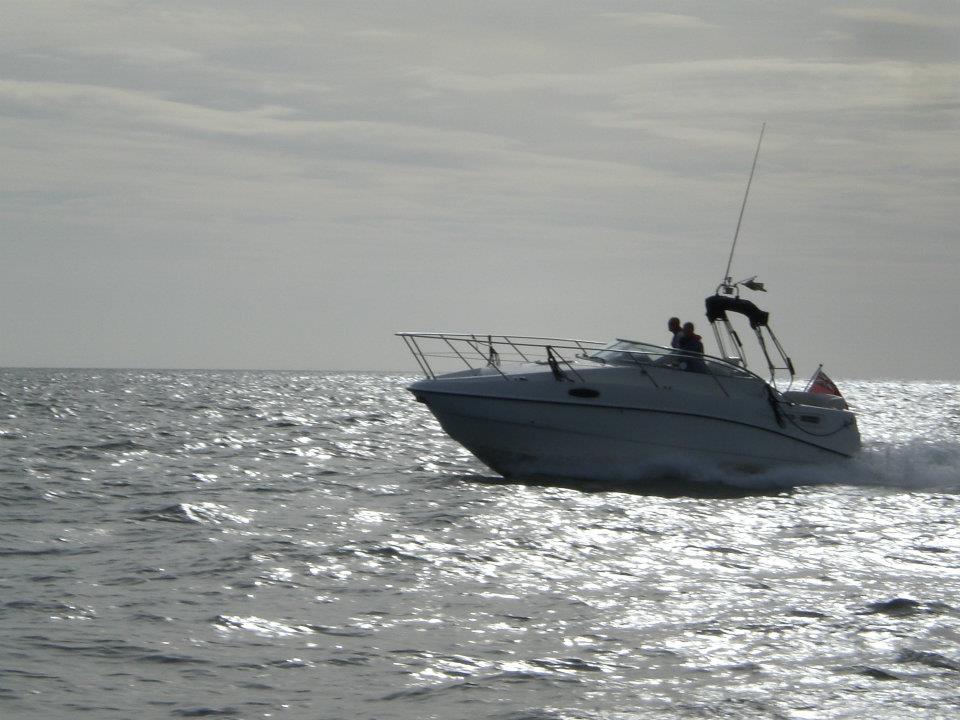
Tuesday, 19 March 2013

Flipping Belts


For the majority of last year we had an issue with a screeching noise coming from the engine bay whenever the supercharger was engaged. This started at the same time as the water leak from the raw water pump. At the time we attributed it to a slipping belt due to it being wet so paid it little attention.

As the water pump was fixed we also tensioned the supercharger and alternator belts however this failed to remedy the problem. So we changed the alternator and supercharger belts for new ones. Still problem not sorted. By this time it was late in the season and we were quickly coming to the conclusion it was a supercharger bearing at fault. A job for the quieter winter months.

In one last bid attempt to not write off the supercharger, which happens to be quite expensive, we changed all four of the belts for new ones at the weekend. This time following the manual to the letter, tensioning the belts in the specified order to the specified torque settings. Guess what? It worked. No more squealing supercharger. Phew, wallet relieved.

It would seem that these engines are very fickle beasts and everything has to be done in the correct order for them to be happy. We must have just been lucky in the past when changing the belts and got the tensions near enough. So lesson learned, in future follow the manual and start with the easy and cheap options when diagnosing problems. In hindsight we would have done this much sooner but you know what they say about hindsight.

Monday, 18 March 2013

More Servicing


This weekend it was time for yet more maintenance. This time it was the turn of the engine. Each spring it is treated to a full service which includes the usual oil and filter change, fuel filters replaced, air filter replaced, supercharger oil replaced, all four belts changed and the crankcase filter replaced as well as checking the impellor condition and changing the antifreeze and the trim ram hydraulic fluid.

As we use Naughty-Cal on some pretty serious waterways and the coast it is important that we ensure the engine is kept serviced and well maintained. We can’t afford for her to become unreliable due to lack of maintenance.

After the service Liam also had a good clean around in the engine bay; keeping the engine and bay clean and tidy means that should we get a leak somewhere it is easy to spot where it is coming from.

Whilst Liam was busy in the engine bay I set about giving the vinyl cockpit seating a good scrub. Ideally this would be done in sunny weather so that the seats dry out quickly but we just had to make do with the weather we were given, sunshine and showers. At least the breeze helped to dry them out.

We are quickly getting down the list of jobs to do before we go away for a few days at Easter. Naughty-Cal is, from the outside at least, looking as good as she ever has done whilst in our care. With a few finishing touches in the cockpit and cabin we will have her finished, well as finished as they ever are. 

Friday, 15 March 2013

Speed Seal


Early last year we had a bit of an issue with the raw water cooling system on Naughty-Cal resulting in a not very convenient raw water leak in the engine bay, which of course coincided with us being as far away from our home berth as we would be that week.

The problem was simple enough to fix with a new seal kit for the raw water pump when we were back home but at the same time we treated the raw water pump to a new cover plate. The original one had become pretty scored over the years.

 Our choices for a new cover plate were a genuine Volvo Penta item at £60 or a Speed Seal equivalent for £65. The original Volvo plate is held on by six nuts whereas the Speed Seal has just four quick release thumb screws, ideal for quickly changing the impellor if necessary. The speed seal also claims to improve the lifespan of the rubber impellors and increase the amount of run dry time should an obstruction restrict or stop the flow of raw water.

We chose the Speed Seal purely for its quick release mechanism. Mooring on a shallow canal means that we usually go through three or four impellors a year due to raw water obstructions so ease and speed of access is important. To our surprise since changing the cover plate to the Speed Seal we have not needed to change the impellor once. Maybe the manufacturers claims are true!

We will continue to monitor the situation with the speed seal and see if we just had a lucky year last year but if it really does do what it says on the tin then it is a worthwhile modification to any raw water cooled propulsion system. 

Thursday, 14 March 2013

Ropework


As the waterways are starting to get busier again there are bound to be the usual suspect’s whinging about boats passing too quickly. It’s a yearly occurrence much like Christmas or Easter.

One look at the whingers ropes is usually enough to spot the problem, inadequate mooring. Whilst two loosely tied ropes at 90 degrees to the boat might be enough to keep you tied up on a shallow narrow canal it isn’t going to offer much protection on larger waterways and rivers frequented by much larger vessels that move large amounts of water around.

Moorings using spring lines will greatly reduce the surging and movement of a moored boat and will make for a more comfortable mooring experience. It will also provide for a more secure mooring in fast flowing waters with the lines working together to keep the boat adjacent the bankside.

Spring lines don’t need to be excessively tight to be effective, in fact on river navigations it is important to allow some slack to allow for fluctuations in water level. The flow of the water will act in conjunction with the lines to sit the boat snugly at the bankside whilst sitting back on two lines. The remaining two lines will reduce surge from passing boats.

I don’t expect the whinging boaters will ever be happy, however slow people pass them and for that reason I also don’t expect they will ever heed any good advice. But if just a few people take notice each time it is a point well made.

Wednesday, 13 March 2013

Considerate Mooring


As Spring rolls ever closer, although with the weather this week we would be forgiven for assuming we were heading into winter again, it is worth mentioning considerate mooring once more. At the risk of sounding like a broken record each year it is worth reminding people of the need to use visitor mooring space sensibly and economically.

We all know that there are a limited number of visitor moorings available, more so on river navigations where casual bankside mooring is often not possible or not allowed. In these instances it is important, especially so during the popular summer months, to use the space sensibly and economically.

Sharing moorings rings, bollards and cleats with adjacent boats is allowed and you don’t need to leave huge gaps between moorings boats. This does not make the best use of the available mooring space. Where the navigation width allows rafting up allows more people to use the moorings.

With more boats entering the UK’s inland waterways it is becoming especially important that we all do our bit to help the mooring situation. By mooring considerately we can all ensure that as many people as possible can make use of the available facilities.

That’s it; I’m not going to harp on about it any longer. This year’s reminder is over and done with.

Tuesday, 12 March 2013

Naughty-Cal's Diet


For 2013 Naughty-Cal has been put on a strict diet. Every unnecessary object and item is being removed from the little ship. Over the past four years she seems to have accumulated a lot of gear which is having an adverse effect on her turn of foot.

So as part of her major spruce up, she is shedding some pounds. We are being ruthless this time, every single item is being scrutinised and of it is felt it is not needed it is being taken home, given away or as a last resort thrown away. Even the TV has gone home. We don’t watch it during the summer so why lug it around?

The food cupboard has been thinned down dramatically. All that is left is some pasta, pasta sauce and some cereals. Anything else we can buy along the way but we still have enough for a quick meal should we become stuck somewhere. The galley cupboard has been stripped of unused items, even the pint glasses and unused pots and pans have gone home. Any excess weight is going to be shed this season.

The shower room has not escaped our attentions either. Cleaning products have been reduced to just two items EVM and disinfectant, just one shower gel each, one shampoo and one hand wash. Why carry extra? When we run out buy a new one.

Hopefully this ruthless weight shedding should see Naughty-Cal back to her sprightly self this season with an improvement in fuel economy to boot. We have a long season of cruising in the pipeline so it is essential that we are getting the best from Naughty-Cal.

Monday, 11 March 2013

Battery Update

Well it has been over two years since we upgraded our domestic battery bank and replaced our batteries with two 105 amp Varta leisure batteries. So how are they going on?


Well I am pleased to announce that they are still in fine shape and are coping admirably with our power demands. Capacity has yet to drop noticeably despite two years of weekly weekend use and holiday use.

The previous one domestic battery completely gave up the will to live in a little under two years so it seems that the upgrade to two batteries has been well worth it. At the same time as we changed the batteries we also made a few power saving modifications which also seem to be helping the situation.

It had been our initial intention to swap the batteries after three years however we will review this decision later in the year nearer the time that they are three years old. If they are still performing adequately then we may delay the switch. We are however firm believers in changing our batteries at the first signs of unreliability. Some people choose to limp along with dead and dying batteries but to us that seems to be a false economy. Why waste fuel running the engine to charge the batteries for longer each day?

So watch this space later in the year to see how we get on.